


In recent years, Europe has undergone a profound internal transformation, driven by geopolitical and ideological shifts. Among the most significant factors has been the rise of the far-right across the continent—a trend fueled in no small part by support from the American right, particularly during the Trump administration. This ideological tide has destabilized Europe’s internal balance, challenging liberal democratic values, weakening consensus politics, and straining the cohesion of the European Union.
Just as the EU was beginning to recover from the health crisis triggered by the COVID-19 pandemic—which had severely tested the solidarity and economic resilience of member states—another crisis erupted: the war in Ukraine. This conflict has emerged as both an energy and military dilemma for Europe. On one hand, it exposed Europe’s heavy dependence on Russian energy resources, forcing a frantic search for alternative supplies. On the other, it necessitated a dramatic increase in military spending at the expense of investment in scientific research, innovation, and social programs—critical pillars of long-term European strength.
In parallel, Europe faces another strategic setback: the sharp decline of French influence in West Africa and the Sahel. What once was considered France’s geopolitical backyard is now increasingly unstable, contested, and hostile to European presence. The loss of French dominance in this region represents not only a national failure but a collective blow to the EU. It severs a crucial southern supply line, one that connects Europe to Nigerian gas reserves and the rich mineral resources of sub-Saharan Africa—resources essential to the future of modern industries, especially electric technologies and green energy transitions.
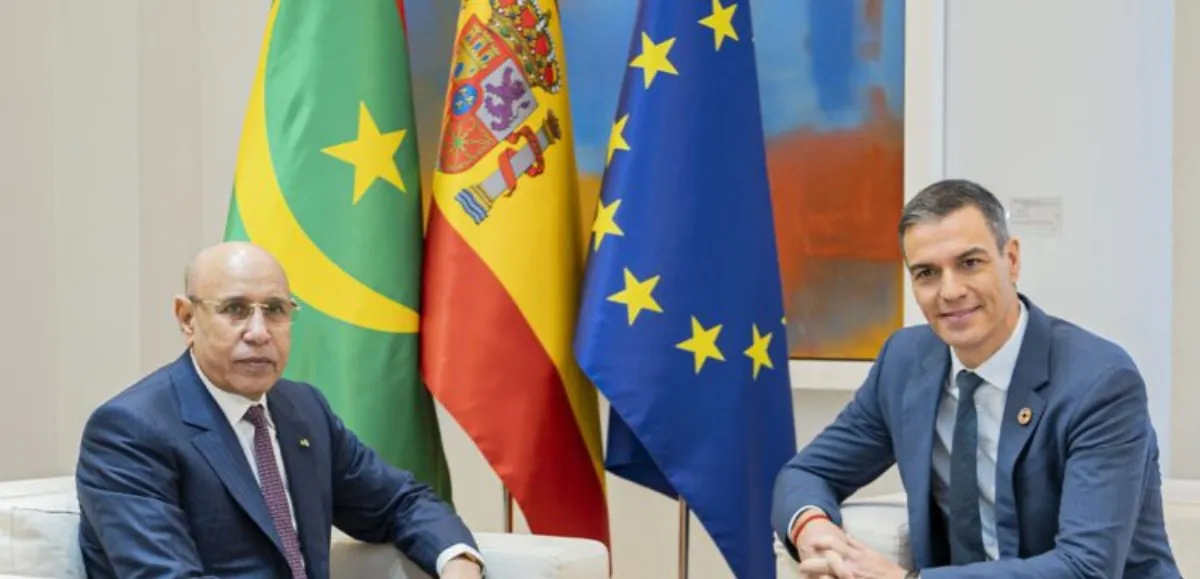
In response to these converging crises, Spain—under the leadership of its socialist government headed by Prime Minister Pedro Sánchez—has initiated a new strategic vision centered on Africa. This strategy is not simply an extension of traditional European policy, nor is it dependent on the established North African axis of Morocco, Algeria, and Tunisia. Instead, it proposes a bold pivot: positioning Mauritania as the new gateway for Spanish and potentially European investment in Africa. This choice reflects both geopolitical caution and strategic innovation. By avoiding the complex and often contentious relationships with North African countries, Spain hopes to establish a stable and controllable entry point into sub-Saharan Africa.
The strategy, designed with a five-year horizon, faces a critical challenge: funding. While Spain has committed an initial €200 million to Mauritania as a starting investment, its ambitions rely heavily on broader EU support. This financial dependency adds a layer of uncertainty, especially as the EU’s budgetary priorities are increasingly skewed toward defense in light of American pressure. The Trump-aligned elements in U.S. policy continue to push Europe toward higher military spending and aim to empower the European far right, further complicating Spain’s efforts to articulate a development-oriented strategic role.
In this context, Spain’s African policy represents a counter-current—a deliberate move against the prevailing tide of American military-first geopolitics. By emphasizing development, investment, and a non-militarized approach to influence in Africa, Spain is carving out a space for a more autonomous and strategic European role on the continent. If successful, it could mark a significant shift in how Europe relates to Africa—less as a security risk and more as a partner in shared growth.
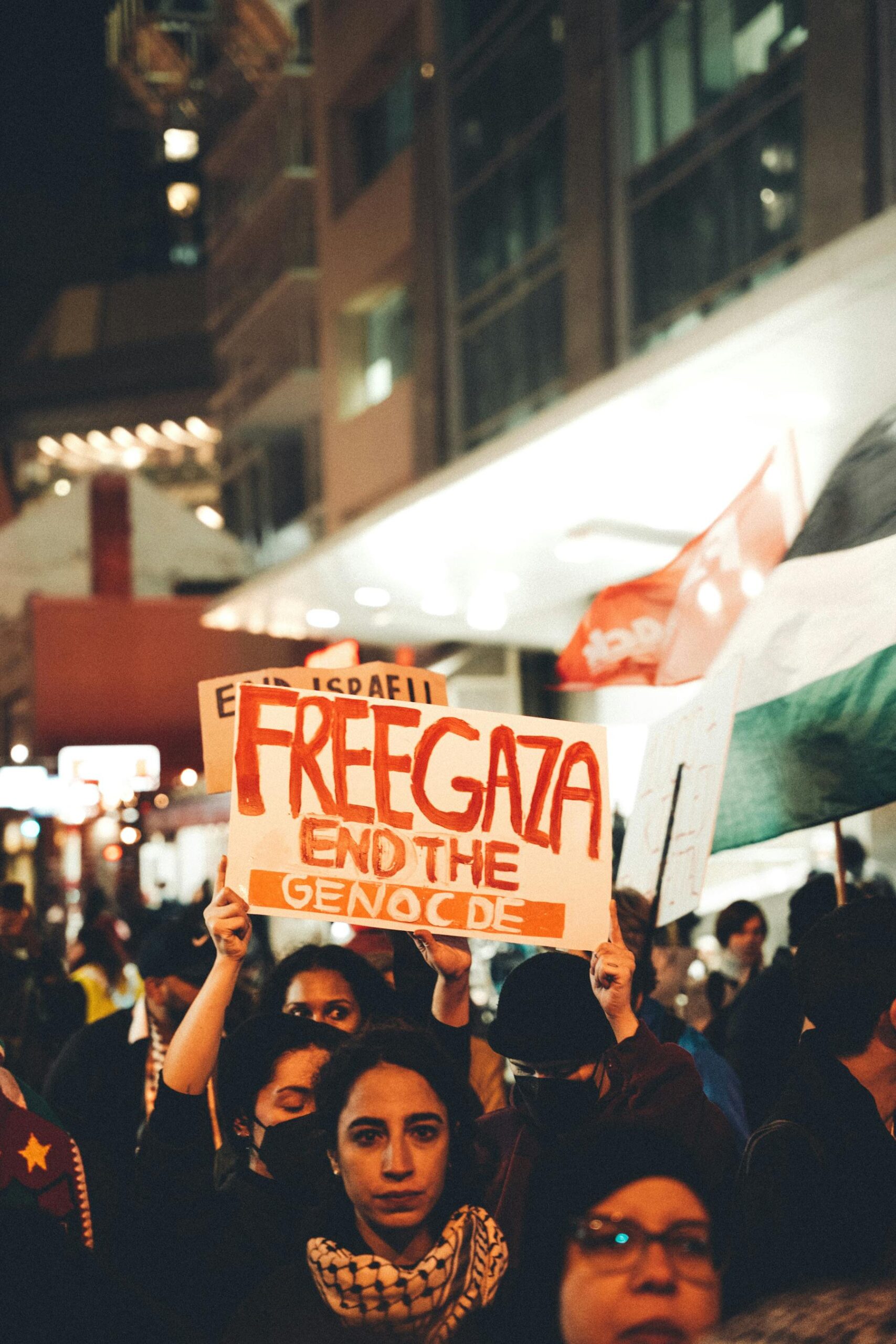
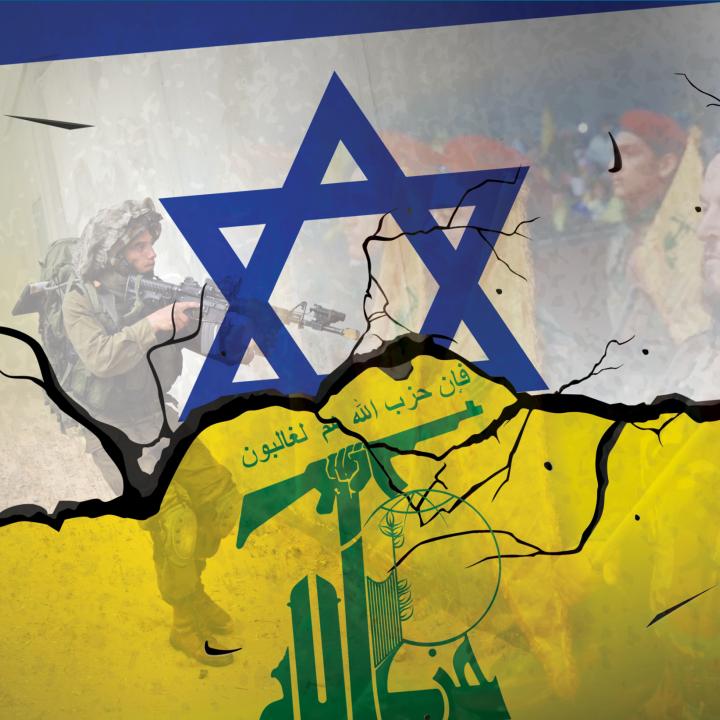
Nevertheless, Spain’s strategy also faces external challenges, particularly the growing presence of Israel in West Africa and the Sahel, often in partnership with Morocco. This emerging alliance may threaten Spanish ambitions and complicate Madrid’s outreach efforts. It could also help explain Spain’s recent diplomatic assertiveness regarding the Gaza conflict and its recognition of the State of Palestine—a move interpreted as a form of geopolitical balancing, intended to curb Israeli influence in Africa and reinforce Spain’s position as a distinct European actor.
In conclusion, Spain’s current engagement with Africa is more than a regional policy shift; it is a strategic reorientation in response to a rapidly evolving global landscape. As internal European dynamics shift and external pressures mount, Spain’s African initiative may emerge as a cornerstone of a renewed, more strategically independent European foreign policy.



Laisser un commentaire